

Skip to content
Subscribe

Browse the archive

Tag: Trademark Rectification

trademark

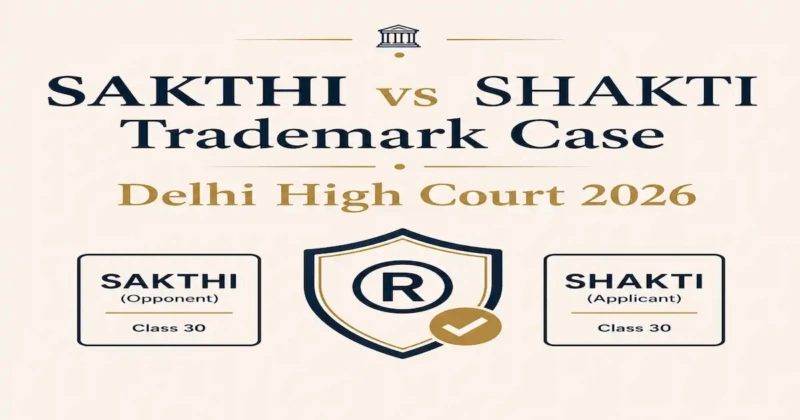
SAKTHI vs SHAKTI: Lessons on Trademark Rectification

The Delhi High Court recently issued a landmark ruling in P.C. Duraisamy v. Kewal Krishan Kumar, ordering the removal of the SHAKTI trademark from the Register. The case highlights the limitations of claiming rights over a standalone word based solely on its inclusion in a composite mark. Despite the respondent's clever legal arguments under Sections 17 and 55(2) of the Trade Marks Act, the Court demanded actual evidence of independent use. This decision serves as a vital reminder that paper registrations without genuine, verifiable commercial usage are highly vulnerable to cancellation.
9 min read
trademark

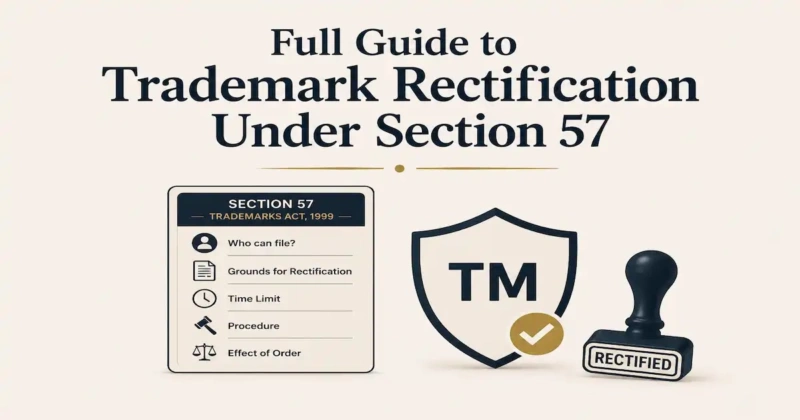
A Guide to Trademark Rectification Under Section 57

Trademark rectification is a critical tool for business owners to challenge invalid or abandoned registrations on the Register. Under Section 57 of the Trade Marks Act, 1999, parties can seek to cancel or vary registrations based on non-use, fraud, or deceptive similarity. Recent judicial developments, including the Bombay High Court’s ruling in Raman Kwatra, have introduced important nuances regarding forum conveniens and jurisdiction in a post-IPAB landscape. This guide provides a comprehensive breakdown of the grounds for rectification, the 'aggrieved person' standard, and the strategic interplay between rectification and pending infringement suits.

14 min read
trademark

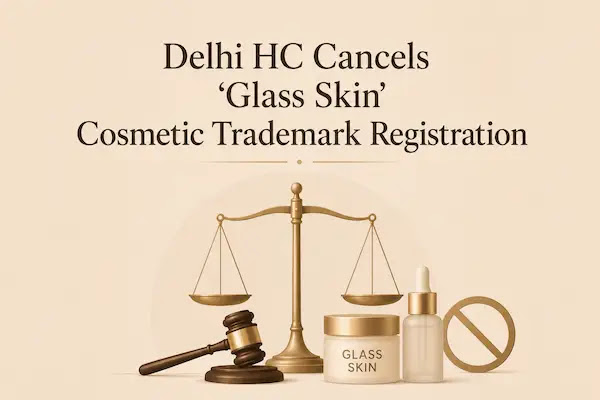
Delhi HC Cancels ‘Glass Skin’ Trademark Registration

In a decisive ruling, the Delhi High Court has cancelled the 'GLASS SKIN' trademark registration, asserting that descriptive lifestyle terms cannot be monopolized by a single entity. The case of Renee Cosmetics v. Rupali Sharma highlights the dangers of 'proposed-to-be-used' filings being weaponized to block competitors via platform takedowns. The Court reinforced that descriptive terms belong to the trade and cannot serve as source identifiers without evidence of secondary meaning. This judgment serves as a vital reminder that trademark registries must rigorously filter out common descriptive vocabulary during the examination process.

10 min read