Skip to content
Subscribe

AI & Other IP

Introduction

Artificial intelligence is testing the limits of IP law faster than the law can keep up with it. Questions like whether an AI can be named an inventor or author, and how training data, generative outputs, and AI-assisted creativity fit into frameworks written for human creators, are still being worked out. India, like most jurisdictions, is answering these questions case by case rather than all at once.

This section also covers IP rights beyond the traditional four, including trade secrets, plant varieties, semiconductor layout designs, and other emerging or hybrid categories that don’t fit neatly into trademark, patent, copyright, or design law. It’s the space for tracking where Indian IP law is headed next, not just where it currently stands.

Stay updated

Latest

View all
Other IP

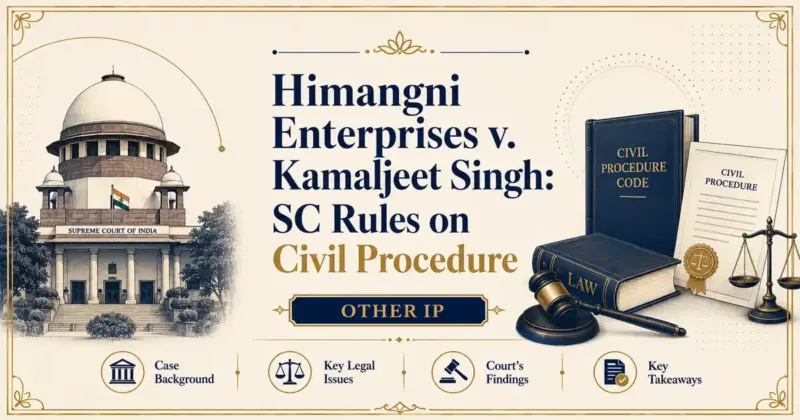
JRPT Automation: Supreme Court Mandates Procedural Fairness

The Supreme Court of India has ruled that courts must ensure procedural fairness by linking contempt applications with pending Order XXXIX Rule 4 applications under the Code of Civil Procedure, 1908. This landmark directive prevents the premature penalization of litigants when an injunction itself is under challenge. For IP practitioners, this decision underscores the tactical necessity of synchronizing interlocutory proceedings in commercial litigation to ensure that the validity of an injunction is adjudicated before breach proceedings are enforced, ultimately upholding the principle of natural justice in high-stakes commercial disputes.

7 min read
AI & IP

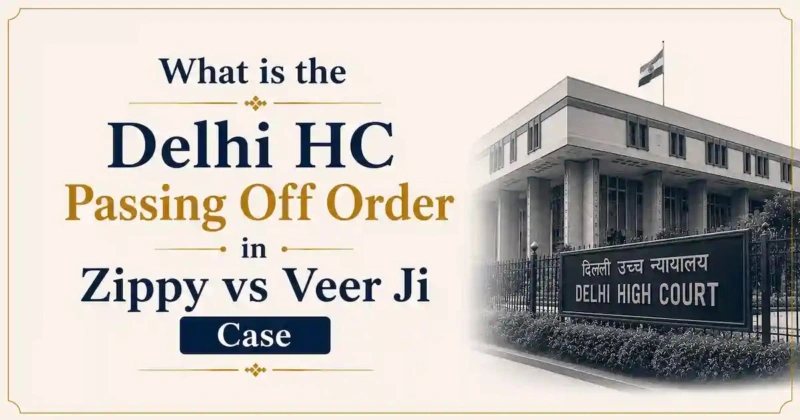
Zippy vs. Veer Ji: Protecting Factory Footage from Misuse

Passing off in the food industry frequently involves the unauthorized use of proprietary manufacturing footage to misrepresent the quality and source of food products. When a brand showcases a supplier’s factory as its own, it commits actionable misrepresentation that misleads consumers and violates the supplier's commercial goodwill. As demonstrated in the Zippy vs. Veer Ji dispute, courts are increasingly granting urgent injunctions to protect trade secrets and brand reputation, holding platforms accountable for the rapid removal of deceptive marketing content that manufactures false trust among the public.

8 min read

Editorial Series

Weekly IP Digest

View all

Editorial Series

Monthly IP Roundup

View all