

Skip to content
Subscribe

Browse the archive

Tag: Trade Marks Act 1999

trademark

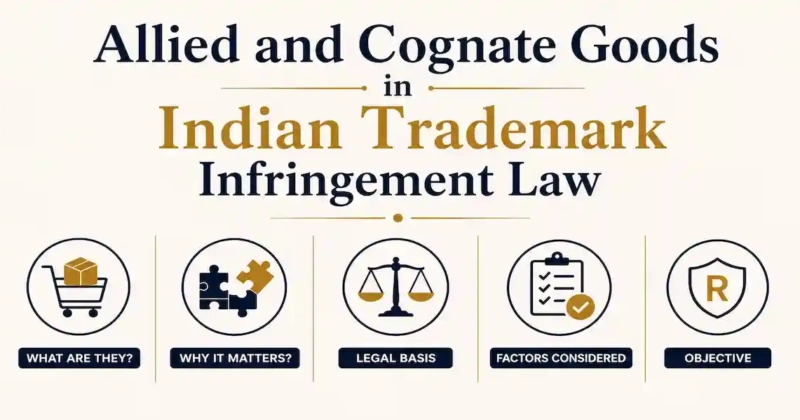
Allied and Cognate Goods in Trademark Infringement

In Indian trademark law, class boundaries are often secondary to the actual commercial connection between products. The doctrine of allied and cognate goods allows brand owners to challenge infringements even when items fall into different Nice classes. From the landmark Corn Products case to the recent GODFATHER decision, courts focus on trade channels, consumer overlap, and product usage to determine risk. This article explores how courts apply the anti-dissection rule and multi-factor tests to protect brand equity, providing a roadmap for practitioners managing cross-class trademark conflicts.
17 min read
trademark

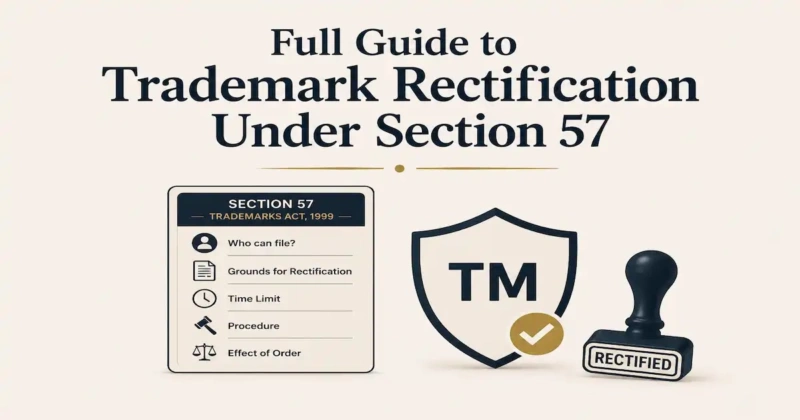
A Guide to Trademark Rectification Under Section 57

Trademark rectification is a critical tool for business owners to challenge invalid or abandoned registrations on the Register. Under Section 57 of the Trade Marks Act, 1999, parties can seek to cancel or vary registrations based on non-use, fraud, or deceptive similarity. Recent judicial developments, including the Bombay High Court’s ruling in Raman Kwatra, have introduced important nuances regarding forum conveniens and jurisdiction in a post-IPAB landscape. This guide provides a comprehensive breakdown of the grounds for rectification, the 'aggrieved person' standard, and the strategic interplay between rectification and pending infringement suits.

14 min read
trademark

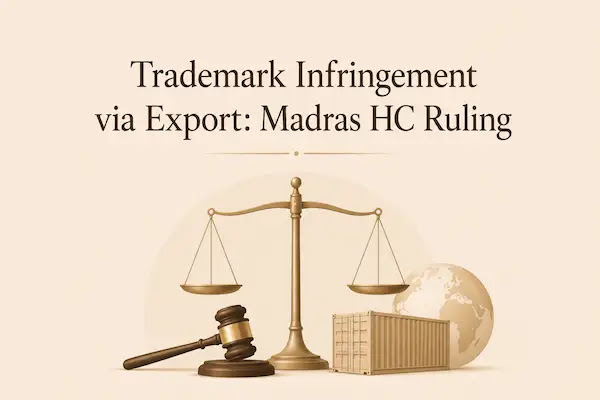
Exporting Goods? New Madras HC Ruling on Infringement

The Madras High Court has issued a landmark ruling in the V.V.V. & Sons Idhayam case, settling whether exporting goods under a competitor's trademark constitutes infringement. The court held that the mere act of affixing a registered trademark to goods in India for export constitutes 'use' under the Trade Marks Act, regardless of whether the products are sold domestically. This decision rejects the argument that lack of Indian consumer exposure grants immunity. For Indian manufacturers, this means export-oriented production must now strictly comply with domestic trademark rights to avoid legal liability.

9 min read