Skip to content
Subscribe

Latest Analyses

Browse every analysis published on Its IP Time.

Browse

Latest Analyses

trademark

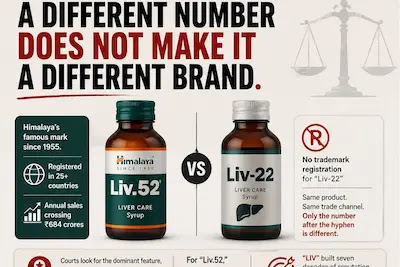
Dominant Feature Test: Himalaya Liv-52 Landmark Ruling

Trademarks are protected by their dominant and distinctive features, not by superficial changes in numerals or punctuation. The 'dominant feature test' in India establishes that if a junior mark retains the essential identifying element of a well-known brand—such as 'Liv' in liver-care products—a change in a suffix or numeral is insufficient to escape liability. Courts look to the overall commercial impression of the mark to prevent trademark dilution and consumer confusion, reinforcing that one cannot appropriate established goodwill through trivial, cosmetic modifications.

3 min read
Copyright

Disney and Universal Win: US Court Allows MiniMax AI Trial

Courts are now actively permitting copyright infringement claims regarding AI training data to proceed to trial, signaling a major shift in legal risk for generative AI developers. The refusal of the US court to dismiss the Disney, Universal, and Warner Bros v. MiniMax case confirms that utilizing copyrighted works without authorization for model training constitutes a legally sufficient claim for direct and secondary infringement. For Indian IP practitioners, this sets a critical precedent for how global courts evaluate the unlicensed ingestion of protected content in commercial AI systems.

2 min read
trademark

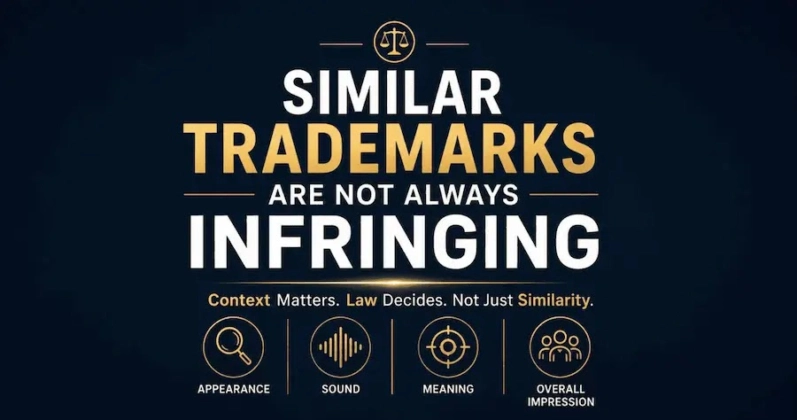
Similar Trademarks: Inside the Doctrine of Coexistence in India

Trademark coexistence in India is determined by the likelihood of confusion rather than mechanical similarity of marks. As established in Nandhini Deluxe, registration does not grant absolute monopolies across all goods within a class if the commercial sectors differ significantly. Similarly, surnames like Goenka require proof of acquired distinctiveness to earn protection. Courts employ a holistic approach, weighing consumer perception, trade channels, and honest concurrent use under Section 12 of the Trade Marks Act 1999 to determine if similar marks can legitimately function alongside one another.

4 min read