Skip to content
Subscribe

Browse the archive

Category: AI & IP

The AI & Emerging IPRs section explores the rapidly evolving intersection of artificial intelligence, computational creativity, and Indian intellectual property jurisprudence. We examine how Indian courts, the Patent Office, and the Copyright Office are addressing novel legal challenges surrounding AI-generated works, inventorship criteria for computer-implemented inventions, training dataset copyright liability, and fair dealing defenses.
Additionally, this hub covers allied IP disciplines including trade secret protection, confidential information, semiconductor layout-designs, and plant variety protection under Indian law.

designs

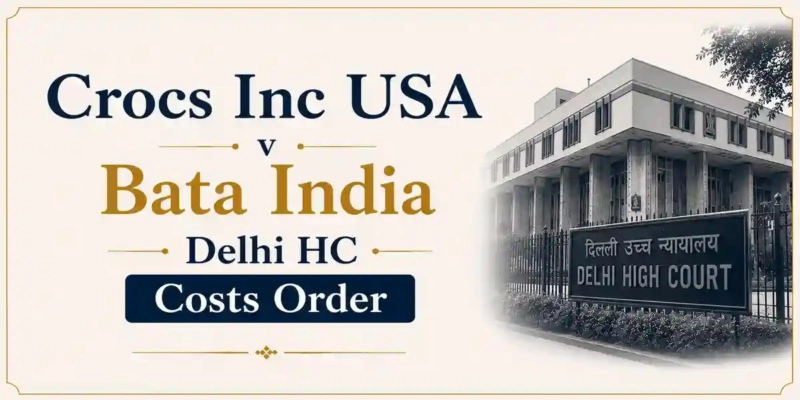
Crocs v Bata: Delhi HC Awards Rs 24 Lakhs in Litigation Costs

The Delhi High Court’s ruling in Crocs v. Bata reinforces that actual litigation costs in commercial disputes must reflect real expenses incurred, effectively deterring frivolous IP litigation. By awarding Rs. 24.63 lakh in costs under Section 35 of the Code of Civil Procedure and the Commercial Courts Act, the Court has signaled that losing parties cannot expect token penalties. This decision shifts the economic burden of protracted design battles, compelling litigants to verify the novelty and registrability of their IP under the Designs Act 2000 before initiating enforcement proceedings.


7 min read
AI & IP

Anil Kapoor to AI Deepfakes: Personality Rights in India

Indian personality rights have evolved from a constitutional interpretation of Article 21 into a robust, judge-made property framework. Courts now routinely grant John Doe and dynamic injunctions to protect celebrities, medical professionals, and content creators against AI-generated deepfakes and unauthorised commercial use. By synthesizing Copyright Act performer rights with trademark passing-off principles, the Delhi High Court has bridged legislative gaps, offering urgent relief against digital impersonation. This framework serves as a critical shield for protecting reputation, dignity, and commercial goodwill in the rapidly expanding digital landscape.

16 min read
GI

Kolhapuri Chappal GI: Why Design Copying Remains Unprotected

A Geographical Indication (GI) tag in India protects a product's name and origin, but it does not grant a design monopoly or prevent global brands from reproducing traditional aesthetics. The Prada Kolhapuri chappal case demonstrates that current Indian law, under the GI Act 1999, fails to stop the appropriation of artisanal designs as long as the registered GI name is not explicitly misused. Without legislative reform, such as extending Article 23 protections to handicrafts, traditional cultural expressions remain legally vulnerable to foreign corporate exploitation despite existing GI protections.

10 min read