An Advocate enrolled on the rolls of the Bar Council of the State of Andhra Pradesh. What started as curiosity about how the law protects ideas, brands, inventions, and creative works gradually developed into a genuine passion for studying and explaining IP law, inspiring me to pursue a Masters degree (LL.M.) in Intellectual Property Rights (IPR).
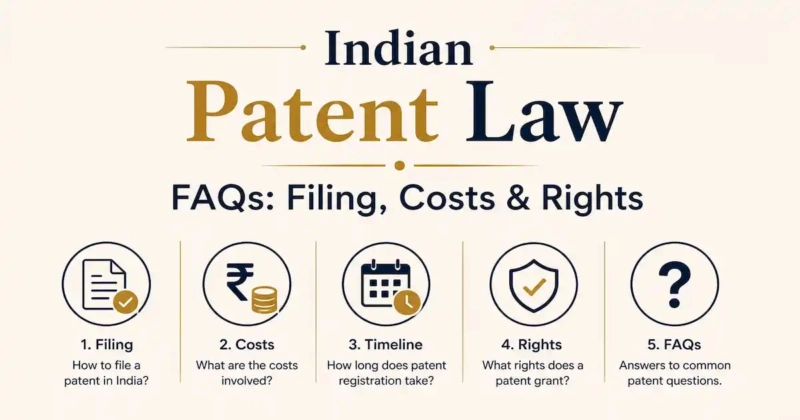
Indian patent law under the Patents Act 1970 offers a rigorous framework for protecting functional innovation through novelty, inventive steps, and industrial application. Following the 2024 Amendments, inventors and startups must navigate updated filing, examination, and renewal procedures to secure 20-year exclusive rights. Whether you are filing an application or enforcing a patent through the Intellectual Property Division of the High Court, strategic compliance is mandatory. This guide clarifies the distinctions between patentability, provisional specifications, and the statutory obligations of patentees in India.
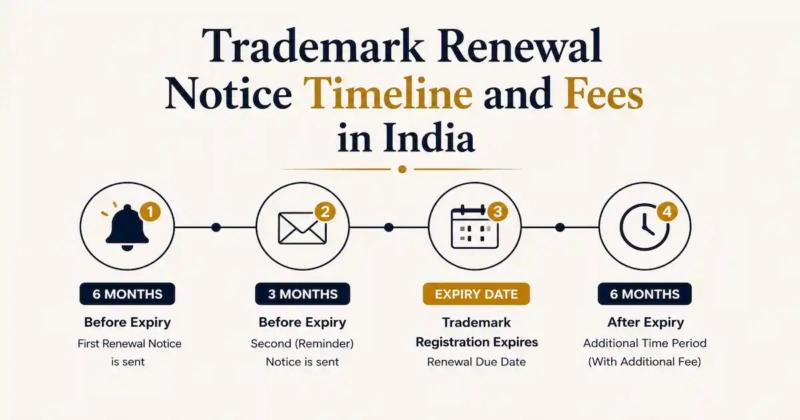
Trademark registration in India requires renewal every ten years from the date of the original application, not the registration certificate date. Failure to file Form TM-R within the statutory grace period risks permanent removal, though the Registrar must mandatorily issue an RG-3 notice before cancellation. Under the Trade Marks Act 1999, restoration is discretionary after the six-month grace period but before the twelve-month limit. Maintaining an updated address for service with the CGPDTM is critical to ensuring receipt of renewal reminders and preventing accidental loss of rights.
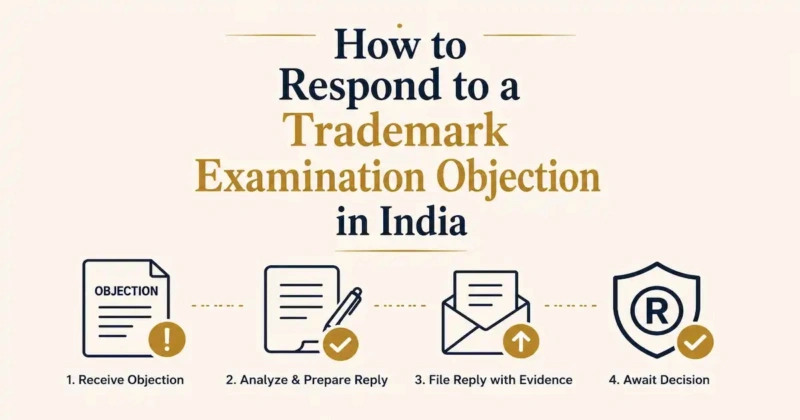
A trademark examination report under the Trade Marks Act 1999 is not a final refusal, but an invitation to justify registration. To overcome Section 9 absolute grounds or Section 11 relative grounds, applicants must submit a targeted, evidence-based reply within one month of the notice. Success hinges on demonstrating inherent distinctiveness or proving acquired secondary meaning through documented sales, advertising data, and market recognition. Failure to engage with the examiner's specific concerns or missing strict deadlines leads to abandonment, necessitating a precise, legally grounded submission to secure your brand rights.
June 2026 was a landmark month for Indian Intellectual Property law, marked by significant rulings from the Delhi High Court and beyond. From expanded liability for advertising platforms in keyword bidding cases to the formal recognition of PPL India as a copyright society, the developments are far-reaching. We explore crucial updates in trademark, patent, copyright, and geographical indication laws. This digest breaks down essential case law, including landmark decisions on personality rights and AI, helping practitioners stay updated with the rapidly evolving Indian legal landscape across all key IP sectors.
Section 9 of the Trade Marks Act 1999 mandates that a mark must possess inherent distinctiveness to be registrable. Objections under Section 9(1)(a) for non-distinctiveness, Section 9(1)(b) for descriptiveness, and Section 9(1)(c) for customary trade usage pose significant hurdles that cannot be ignored. However, the proviso to Section 9(1) offers a critical path to registration if applicants can prove acquired distinctiveness through extensive evidence of use prior to the filing date. Distinguishing between absolute and relative grounds is essential for crafting a successful response to examination reports.
This week's IP digest covers crucial Indian judicial developments, including the Delhi High Court's ruling on the Godfather trademark case, confirming that registered marks remain enforceable despite non-use. We explore critical patent insights from Shaafi Naturcure, where post-filing evidence was rejected, and Fraunhofer’s failed biomass patent. The digest also reviews high-stakes copyright battles, trademark rectification petitions involving 'Shakti', and the prestigious induction of Justice Prathiba M. Singh into the International IP Hall of Fame. Additionally, we analyze global IP trends, including US pharmaceutical patent disputes and CJEU platform liability rulings concerning algorithmic content curation.
National Biodiversity Authority (NBA) approval provides no legal nexus to patentability under the Patents Act, 1970. The Delhi High Court in Shaafi Naturcure LLP v. Assistant Controller of Patents and Designs confirmed that compliance with the Biological Diversity Act, 2002 does not satisfy the requirements for inventive step or Section 3(p) traditional knowledge exclusions. Patent applicants in the herbal medicine sector must establish synergy within the complete specification; post-filing affidavits cannot compensate for inherent disclosure gaps. Demonstrable technical efficacy remains the bedrock for valid patent protection in India.
Analysis of Magazine Cover: A registered trademark proprietor maintains an exclusive, enforceable right under Section 28 of the Trade Marks Act 1999 even...
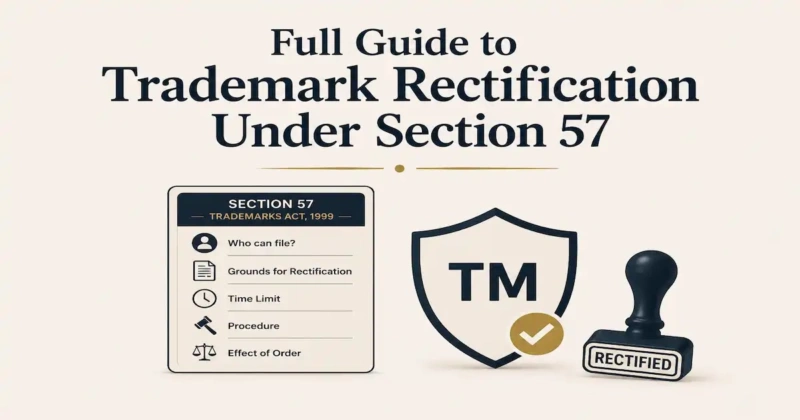
<p>Guide to trademark rectification under Section 57 of the Trade Marks Act, 1999 post-IPAB abolition. Key grounds for rectification, High Court vs Registrar jurisdiction, locus standi as an 'aggrieved person', and landmark decisions.</p>
•14 min read
Free Email Newsletter
Stay Ahead in IP Law with Its IP Time
Receive concise weekly and monthly IP Law updates.