GI
Geographical Indications in India: Registration, Rights and Enforcement
Analysis of Iphone ?: Geographical Indications in India are governed by the GI Act 1999, providing legal protection to products based on their unique...
Browse the archive
Analysis of Iphone ?: Geographical Indications in India are governed by the GI Act 1999, providing legal protection to products based on their unique...
<p>Complete guide to Semiconductor Integrated Circuits Layout-Design (SICLD Act, 2000) in India. Covers SICLD full form, registration requirements, exclusive rights, term of protection, and infringement remedies.</p>
Learn the INDRP framework for resolving domain disputes in India. Master the evidentiary standards for bad faith and protect your trademark from cybersquatting.
The Bombay HC in Shruti Haasan v. Mahalaxmi Arts has issued a landmark John Doe injunction protecting personality rights against unauthorized AI-generated content.
The Delhi High Court in Vikrant Kapoor v. Anuj Kohli ruled that naming a specific forum in invoices effectively ousts other courts, even without 'exclusive' language.
The Supreme Court of India has ruled that courts must ensure procedural fairness by linking contempt applications with pending Order XXXIX Rule 4 applications under the Code of Civil Procedure, 1908. This landmark directive prevents the premature penalization of litigants when an injunction itself is under challenge. For IP practitioners, this decision underscores the tactical necessity of synchronizing interlocutory proceedings in commercial litigation to ensure that the validity of an injunction is adjudicated before breach proceedings are enforced, ultimately upholding the principle of natural justice in high-stakes commercial disputes.
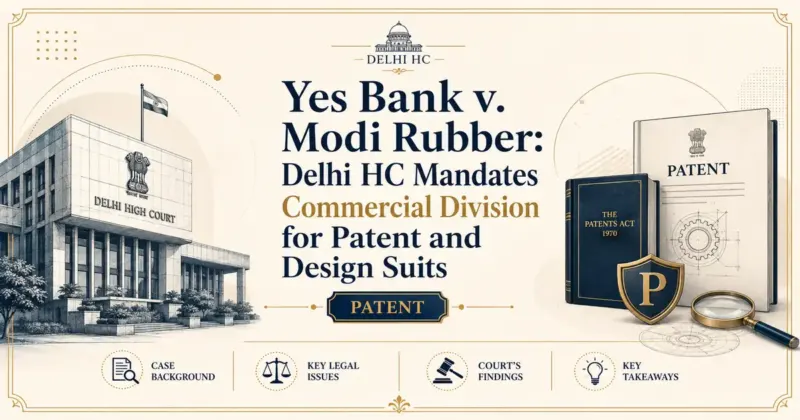
The Delhi High Court has confirmed that all patent and design infringement suits must be adjudicated by the Commercial Division of the High Court to ensure specialized oversight. In Yes Bank v. Modi Rubber, the bench held that Section 104 of the Patents Act 1970 and the Designs Act 2000 are inextricably linked to the Commercial Courts Act 2015. This procedural mandate streamlines litigation, ensuring that complex technical disputes are handled by benches equipped for commercial matters, thereby reducing jurisdictional ambiguity and fostering consistent judicial administration for intellectual property rights nationwide.
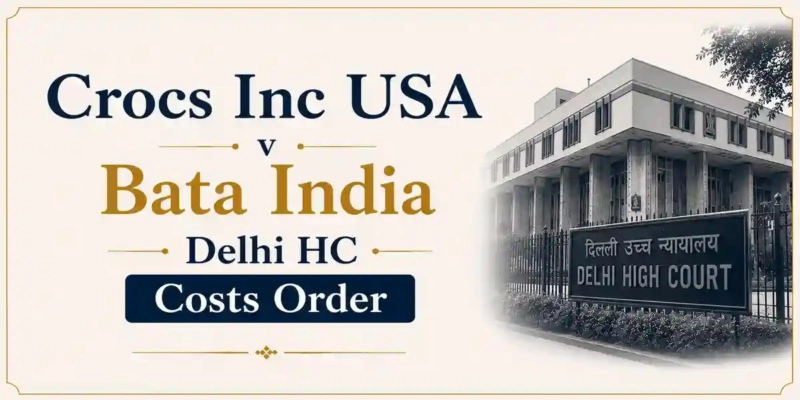
The Delhi High Court’s ruling in Crocs v. Bata reinforces that actual litigation costs in commercial disputes must reflect real expenses incurred, effectively deterring frivolous IP litigation. By awarding Rs. 24.63 lakh in costs under Section 35 of the Code of Civil Procedure and the Commercial Courts Act, the Court has signaled that losing parties cannot expect token penalties. This decision shifts the economic burden of protracted design battles, compelling litigants to verify the novelty and registrability of their IP under the Designs Act 2000 before initiating enforcement proceedings.
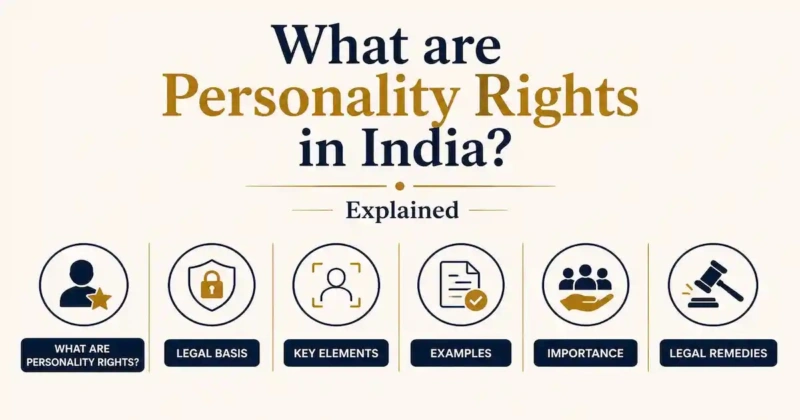
Indian personality rights have evolved from a constitutional interpretation of Article 21 into a robust, judge-made property framework. Courts now routinely grant John Doe and dynamic injunctions to protect celebrities, medical professionals, and content creators against AI-generated deepfakes and unauthorised commercial use. By synthesizing Copyright Act performer rights with trademark passing-off principles, the Delhi High Court has bridged legislative gaps, offering urgent relief against digital impersonation. This framework serves as a critical shield for protecting reputation, dignity, and commercial goodwill in the rapidly expanding digital landscape.
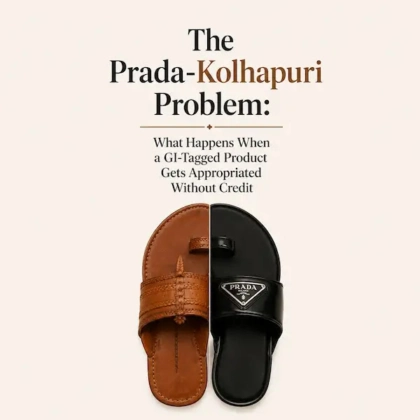
A Geographical Indication (GI) tag in India protects a product's name and origin, but it does not grant a design monopoly or prevent global brands from reproducing traditional aesthetics. The Prada Kolhapuri chappal case demonstrates that current Indian law, under the GI Act 1999, fails to stop the appropriation of artisanal designs as long as the registered GI name is not explicitly misused. Without legislative reform, such as extending Article 23 protections to handicrafts, traditional cultural expressions remain legally vulnerable to foreign corporate exploitation despite existing GI protections.