An Advocate enrolled on the rolls of the Bar Council of the State of Andhra Pradesh. What started as curiosity about how the law protects ideas, brands, inventions, and creative works gradually developed into a genuine passion for studying and explaining IP law, inspiring me to pursue a Masters degree (LL.M.) in Intellectual Property Rights (IPR).
Corporate restructurings often leave subsidiaries holding legacy brand names that belong to the parent entity. When permissive use expires, the subsidiary must cease all branding activity associated with the trademark. As affirmed by the Bombay High Court, goodwill generated under a licensed mark exclusively accrues to the registered proprietor. Claiming independent prior use under Section 34 of the Trade Marks Act is legally inconsistent if the party has already admitted to using the mark with the owner's permission, leading to an inevitable injunction.
Justice Jyoti Singh’s order in Landmark Crafts v. Shalini Garg confirms that appending certification marks like ISI to a registered trademark cannot create distinctiveness or evade infringement claims. By granting an ex parte ad interim injunction, the Delhi High Court reaffirmed that courts assess the overall impression of a mark, focusing on its dominant features. This case provides a clear roadmap for practitioners on leveraging Section 12A of the Commercial Courts Act to skip pre-institution mediation when a defendant's conduct demonstrates clear urgency and bad faith.
The Delhi High Court's decision in Intra-Cellular Therapies reaffirms that pharmaceutical patents for deuterated compounds must meet strict novelty and efficacy standards. Specifically, demonstrating improved pharmacokinetics, such as higher bioavailability, does not satisfy the 'enhanced therapeutic efficacy' threshold required by Section 3(d) of the Patents Act 1970. The court clarified that coverage in a broad genus patent anticipates species claims, limiting the ability of originators to 'serial parent' drug molecules. Patent applicants must provide clinical evidence of improved patient outcomes to overcome Section 3(d) rejections in the Indian Patent Office.
Establishing copyright infringement requires proving a reasonable opportunity of access, not merely a theoretical possibility. The Bombay High Court ruled that large multinational corporations cannot be assumed to have copied a logo based on workforce size, emphasizing that contemporaneous evidence of independent creation—such as design briefs, time logs, and market surveys—is essential for defense. Furthermore, while the Court acknowledged reverse passing off as a valid claim under Section 27(2), it maintained that such a claim fails if the senior user lacks distinct, standalone goodwill in the logo itself.
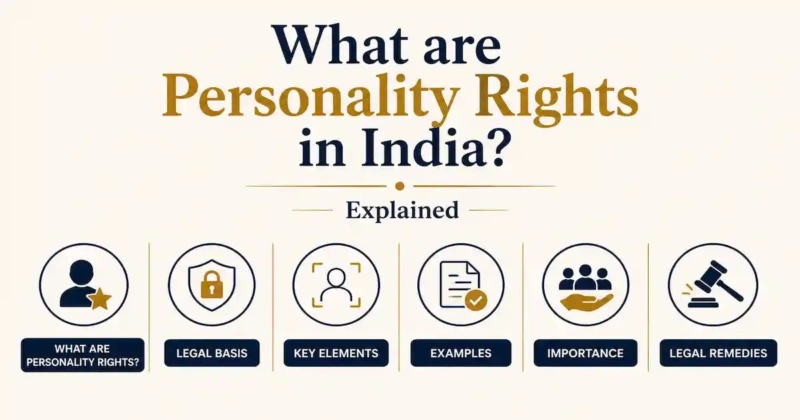
Indian personality rights have evolved from a constitutional interpretation of Article 21 into a robust, judge-made property framework. Courts now routinely grant John Doe and dynamic injunctions to protect celebrities, medical professionals, and content creators against AI-generated deepfakes and unauthorised commercial use. By synthesizing Copyright Act performer rights with trademark passing-off principles, the Delhi High Court has bridged legislative gaps, offering urgent relief against digital impersonation. This framework serves as a critical shield for protecting reputation, dignity, and commercial goodwill in the rapidly expanding digital landscape.
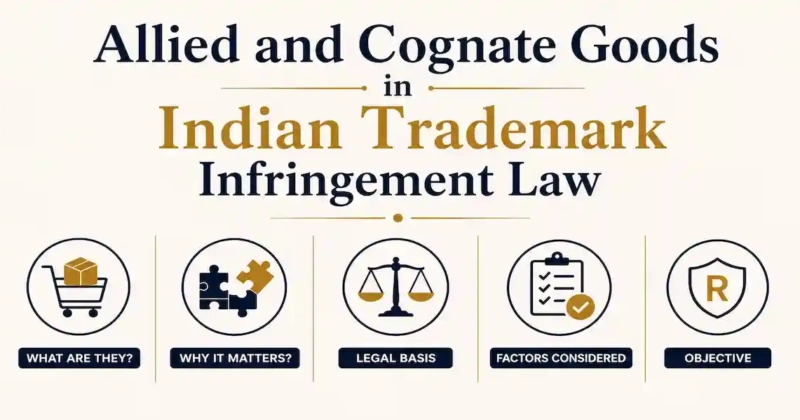
Allied and cognate goods represent a vital doctrine in Indian trademark law, enabling protection for marks across different Nice Classes where a trade connection, common consumer base, or complementary end-use exists. Courts determine infringement under Section 29 of the Trade Marks Act 1999 by assessing commercial reality rather than administrative class boundaries. Decisions such as Devans Modern Breweries establish that even dissimilar products like beer and whisky can be considered cognate if documented business practices and distinct brand reputations demonstrate a likelihood of confusion, rendering the anti-dissection rule a key tool for protecting composite marks.
Our latest IP law digest covers significant Indian and global developments. Highlights include the Delhi High Court's dynamic injunctions against rogue streaming websites and landmark rulings on SEP security deposits in the InterDigital v. Transsion litigation. We delve into personality rights regarding deepfakes, arbitration clauses in franchise agreements, and international disputes like the Nike-7-Eleven trademark clash. Additionally, learn about the Trademark Registry's upgraded search portal, new patent agent exam registration details, and Shopify’s trade secret settlement. Stay ahead with essential summaries of high-stakes litigation and administrative updates shaping the modern intellectual property landscape.
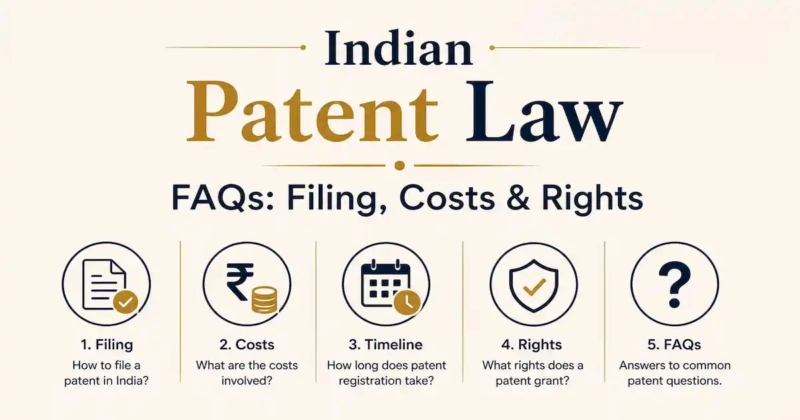
Indian patent law under the Patents Act 1970 offers a rigorous framework for protecting functional innovation through novelty, inventive steps, and industrial application. Following the 2024 Amendments, inventors and startups must navigate updated filing, examination, and renewal procedures to secure 20-year exclusive rights. Whether you are filing an application or enforcing a patent through the Intellectual Property Division of the High Court, strategic compliance is mandatory. This guide clarifies the distinctions between patentability, provisional specifications, and the statutory obligations of patentees in India.
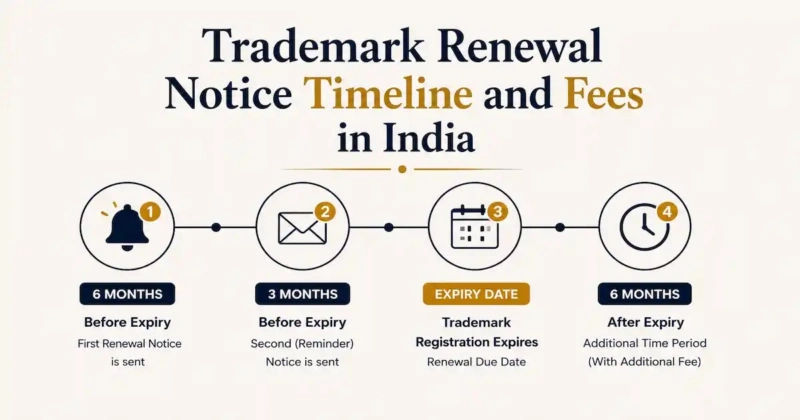
Trademark registration in India requires renewal every ten years from the date of the original application, not the registration certificate date. Failure to file Form TM-R within the statutory grace period risks permanent removal, though the Registrar must mandatorily issue an RG-3 notice before cancellation. Under the Trade Marks Act 1999, restoration is discretionary after the six-month grace period but before the twelve-month limit. Maintaining an updated address for service with the CGPDTM is critical to ensuring receipt of renewal reminders and preventing accidental loss of rights.
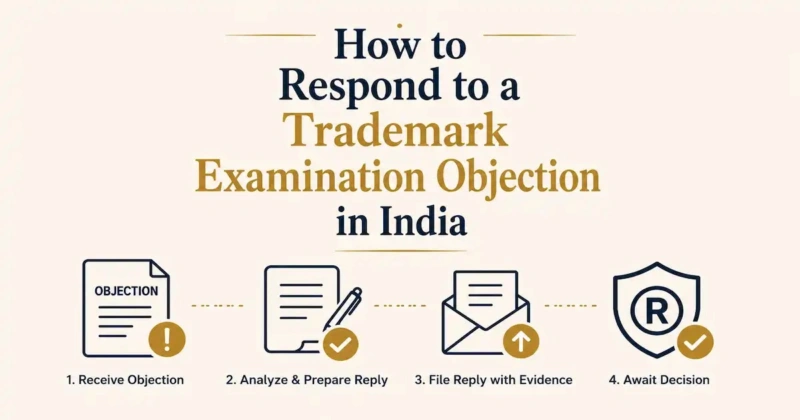
A trademark examination report under the Trade Marks Act 1999 is not a final refusal, but an invitation to justify registration. To overcome Section 9 absolute grounds or Section 11 relative grounds, applicants must submit a targeted, evidence-based reply within one month of the notice. Success hinges on demonstrating inherent distinctiveness or proving acquired secondary meaning through documented sales, advertising data, and market recognition. Failure to engage with the examiner's specific concerns or missing strict deadlines leads to abandonment, necessitating a precise, legally grounded submission to secure your brand rights.
•13 min read
Free Email Newsletter
Stay Ahead in IP Law with Its IP Time
Receive concise weekly and monthly IP Law updates.